
The scale a map doesn't show
Tokyo to Hokkaido is as far as Warsaw to Rome. Tokyo to Okinawa is Warsaw to Lisbon. These aren't day trips, they're separate destinations.
- Tokyo - Sapporo: 1 hour 40 by plane, 8,000 - 20,000 yen. Eight hours by shinkansen and more expensive, so there's no point.
- Tokyo - Naha: 2 hours 45 by plane, 10,000 - 25,000 yen. No train will get you there.
Add the trip to the airport and check-in and it's realistically half a day each way.
Hokkaido in winter
Who it's for: skiers, hot spring lovers, anyone after quiet and space, winter landscape photographers.
- Snow. Niseko gets around 14 metres a year, one of the highest figures anywhere. The powder is dry because the air comes off Siberia across the warm Sea of Japan.
- Sapporo Snow Festival - early February, one week. Also the priciest and most crowded time, so book well ahead.
- Hot springs in the snow - Noboribetsu and Jozankei. Sitting in hot water while it snows is exactly as good as it sounds.
- Food - seafood, crab, miso ramen, dairy. Hokkaido is Japan's larder.
- When: December to March, with the most reliable snow in January and February.
A practical warning: it gets genuinely cold, down to minus 15 and worse with wind. You need a proper jacket and snow boots, not what gets you through a city winter in Europe.
Okinawa
Who it's for: beaches, diving, a slower rhythm and a completely different culture - this was the independent Ryukyu Kingdom, with its own language, music and food.
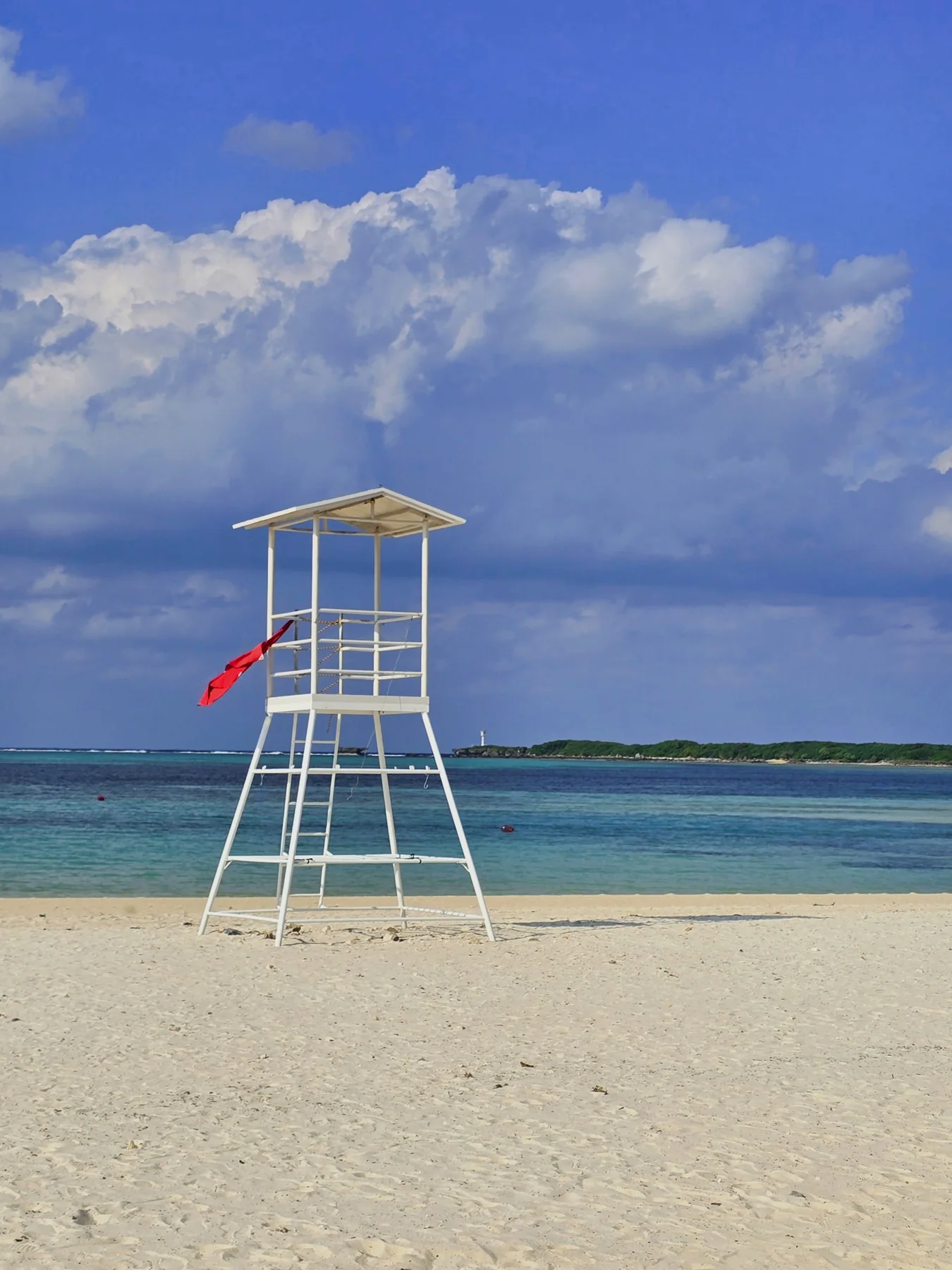
- The sea - turquoise and warm from May to October. Reefs, turtles, and manta rays around the Yaeyama islands.
- The Yaeyama islands (Ishigaki, Taketomi, Iriomote) - that's where you go for real quiet, rather than the main island.
- Culture - Shuri castle, sanshin music, food built on bitter melon and pork. Nothing like Honshu.
- When: ideally late spring and October. July and August mean heat, crowds and typhoon risk.
Typhoons deserve to be taken seriously. The season runs July to September and a typhoon can cancel flights for two days. If you travel then, leave a buffer before your flight home.
Which to choose
If it's your first trip - neither. Genuinely. Start with Honshu, meaning Tokyo and Kyoto, because that's what a first trip to Japan is for. Forced in, Hokkaido or Okinawa will take three days in transit and dilute the whole holiday.
If you're coming back and want a different Japan, pick by season rather than preference:
- Winter, you want snow and hot springs → Hokkaido.
- Late spring or October, you want the sea → Okinawa.
- Summer → neither. Typhoons in Okinawa, brutal heat on Honshu. That's a good moment for the Japanese Alps or Tohoku.
Can you combine them?
You can, but only with 16 days or more. A sensible shape is Tokyo, Kyoto, then a flight to one of the islands and home directly from there, without returning to Tokyo. The key is a return ticket from a different airport than you arrived at - otherwise you cross the whole country twice for no reason.
💡 From me: this is exactly the moment to talk before you buy tickets. A bad flight arrangement can cost you three days of holiday, and a good one costs nothing.