
What it actually costs
Japan has a reputation for being expensive, but food is one thing that's cheaper than in Europe at a comparable standard. Roughly:
- A bowl of ramen: 800 - 1,200 yen.
- A set lunch (teishoku: main, rice, soup, pickles): 900 - 1,500.
- Conveyor-belt sushi: from 120 yen a plate; you leave full for 1,500 - 2,500.
- Convenience store: onigiri 150 - 250, a decent bento 500 - 700.
- Dinner at an izakaya with a beer: 3,000 - 5,000 per person.
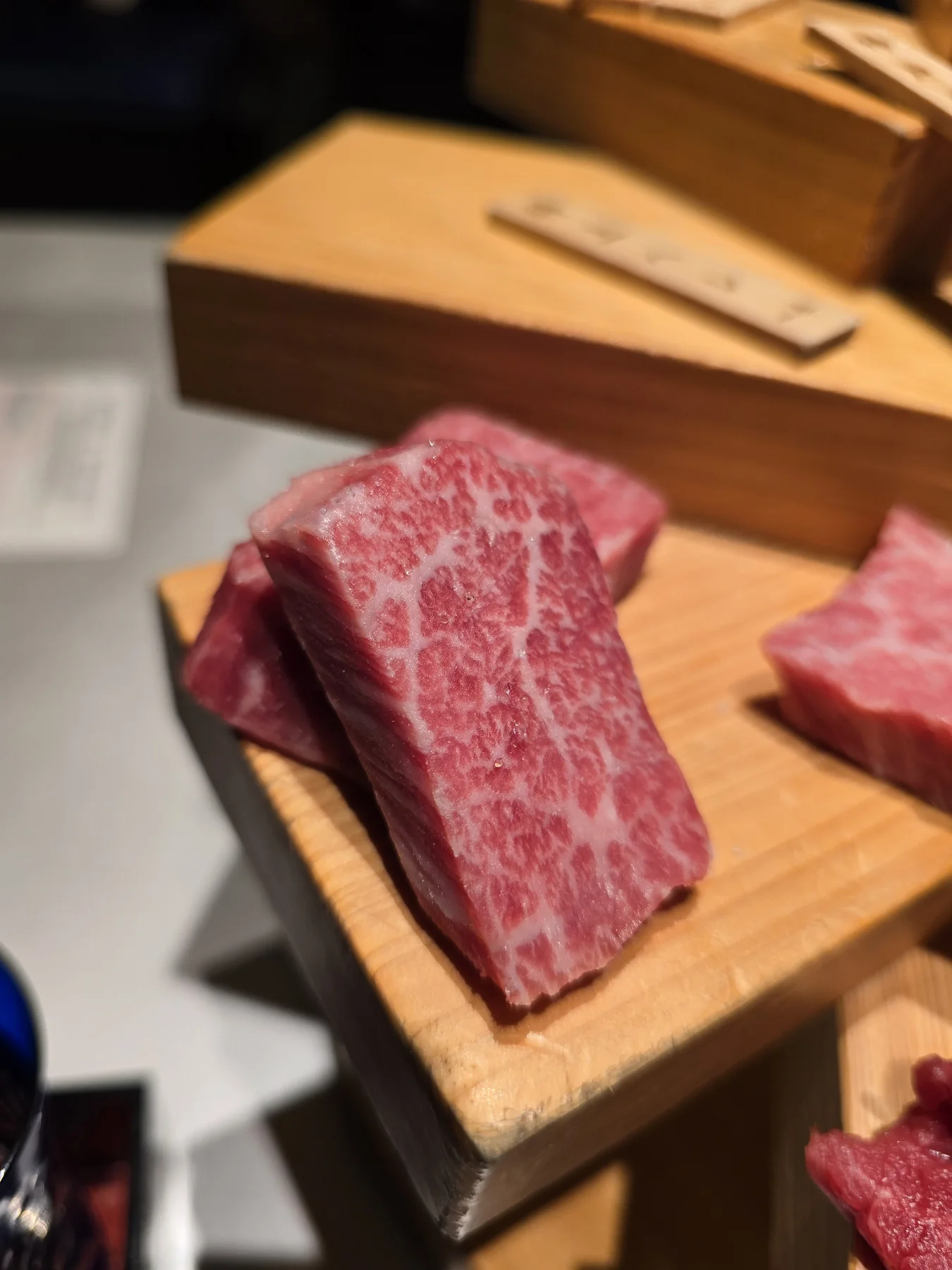
It only gets expensive with kaiseki, wagyu and counter sushi - there 15,000 - 30,000 per person is a normal rate.
The charge nobody warns you about
At an izakaya, the Japanese pub-restaurant, they almost always add otoshi - a small appetiser you didn't order, at 300 - 500 yen per person. It isn't a scam or a tip, it's closer to a table charge, and it's entirely legal.
You usually can't refuse it and there's no point arguing about it. Just know the bill will be that much higher.
How to order without Japanese
- Ticket machine (ramen, gyudon, soba). Put money in, press a button, hand the ticket to the cook. Tip: the top-left button is usually the house speciality or the bestseller. When in doubt, aim there.
- Plastic food models in the window - you can simply walk out and point. Nobody finds this odd.
- A tablet at the table - standard at conveyor sushi and chains, almost always with English.
- Calling a waiter - press the button on the table or say sumimasen out loud. It isn't rude, that's how it's done.
What to try
- Ramen - regional: tonkotsu in Fukuoka, miso in Sapporo, shoyu in Tokyo. Three different dishes, not three versions of one.
- Okonomiyaki - in Osaka the ingredients are mixed into the batter, in Hiroshima layered with noodles. The argument over which is better is quite serious there.
- Tonkatsu, tempura, udon, soba, gyoza, takoyaki, yakitori - safe bets at any budget.
- Kaiseki - a multi-course seasonal dinner, usually at a ryokan. That's an experience rather than a meal.
- Convenience stores - and not out of desperation. The egg sandwiches, karaage, onigiri and Lawson ice cream are genuinely good.
At the table
- Slurping noodles is fine. It cools them and supposedly improves the taste. Nobody winces.
- Don't stand chopsticks upright in rice and don't pass food chopstick to chopstick. Both come from funeral rites.
- Don't leave a tip. Really - they'll come after you with the money.
- Itadakimasu before and gochisosama after. A small thing that always lands well.
- You can lift the soup or rice bowl to your mouth - that's how it's eaten, it isn't bad manners.
Vegetarians and allergies - harder than you think
This is not a country built for elimination diets and it's better to know that before you fly. The main problem is dashi - a stock made from dried bonito that's in practically everything: miso soup, sauces, tamago, vegetable dishes. A dish without meat very often isn't vegetarian.
What helps:
- Shojin ryori - Buddhist temple cuisine, fully plant-based, served near monasteries (Koyasan, some Kyoto temples).
- The T's TanTan chain in Tokyo stations - vegan ramen, quick and no explaining needed.
- A card in Japanese describing what you don't eat. With a serious allergy that's not optional.
- The HappyCow app works surprisingly well in Japan.
💡 From me: the best places are usually the ones with no English menu, six seats at the counter and a queue of locals. I pass on addresses like that in the plan - along with what to order and how.